<br />
<b>Notice</b>:  Function _load_textdomain_just_in_time was called <strong>incorrectly</strong>. Translation loading for the <code>limit-login-attempts-reloaded</code> domain was triggered too early. This is usually an indicator for some code in the plugin or theme running too early. Translations should be loaded at the <code>init</code> action or later. Please see <a href="https://developer.wordpress.org/advanced-administration/debug/debug-wordpress/">Debugging in WordPress</a> for more information. (This message was added in version 6.7.0.) in <b>/var/www/vhosts/performanceperspectives.com.au/httpdocs/wp-includes/functions.php</b> on line <b>6131</b><br />
<?xml version="1.0" encoding="UTF-8"?><rss version="2.0"
	xmlns:content="http://purl.org/rss/1.0/modules/content/"
	xmlns:wfw="http://wellformedweb.org/CommentAPI/"
	xmlns:dc="http://purl.org/dc/elements/1.1/"
	xmlns:atom="http://www.w3.org/2005/Atom"
	xmlns:sy="http://purl.org/rss/1.0/modules/syndication/"
	xmlns:slash="http://purl.org/rss/1.0/modules/slash/"
	>

<channel>
	<title>Performance Perspectives</title>
	<atom:link href="https://www.performanceperspectives.com.au/feed/" rel="self" type="application/rss+xml" />
	<link>https://www.performanceperspectives.com.au</link>
	<description></description>
	<lastBuildDate>Wed, 20 Oct 2021 04:48:46 +0000</lastBuildDate>
	<language>en-US</language>
	<sy:updatePeriod>
	hourly	</sy:updatePeriod>
	<sy:updateFrequency>
	1	</sy:updateFrequency>
	<generator>https://wordpress.org/?v=5.9</generator>

<image>
	<url>https://www.performanceperspectives.com.au/wp-content/uploads/2021/07/perform-box-icon.png</url>
	<title>Performance Perspectives</title>
	<link>https://www.performanceperspectives.com.au</link>
	<width>32</width>
	<height>32</height>
</image> 
	<item>
		<title>Working with Olympic Sailors Interview</title>
		<link>https://www.performanceperspectives.com.au/sport-psychology/working-with-olympic-sailors/</link>
					<comments>https://www.performanceperspectives.com.au/sport-psychology/working-with-olympic-sailors/#respond</comments>
		
		<dc:creator><![CDATA[admin]]></dc:creator>
		<pubDate>Wed, 20 Oct 2021 04:44:56 +0000</pubDate>
				<category><![CDATA[Sport Psychology]]></category>
		<guid isPermaLink="false">https://www.performanceperspectives.com.au/?p=2424</guid>

					<description><![CDATA[<p>Recently I was asked by a journalist the following questions about my work with Olympic sailors.&#160; The following were my replies: Q1 What key needs did you focus on in the lead up to this Olympics. i)Optimising information processing efficiency between Coach &#38; Athletes during trainings, pre regattas &#38; with debriefings. But also in finessing &#8230;</p>
<p class="read-more"> <a class="" href="https://www.performanceperspectives.com.au/sport-psychology/working-with-olympic-sailors/"> <span class="screen-reader-text">Working with Olympic Sailors Interview</span> Read More &#187;</a></p>
<p>The post <a rel="nofollow" href="https://www.performanceperspectives.com.au/sport-psychology/working-with-olympic-sailors/">Working with Olympic Sailors Interview</a> appeared first on <a rel="nofollow" href="https://www.performanceperspectives.com.au">Performance Perspectives</a>.</p>
]]></description>
										<content:encoded><![CDATA[
<p><strong>Recently I was asked by a journalist the following questions about my work with Olympic sailors.&nbsp; The following were my replies:</strong></p>


<p>Q1</p>


<p><em>What key needs did you focus on in the lead up to this Olympics.</em></p>


<p>i)Optimising information processing efficiency between Coach &amp; Athletes during trainings, pre regattas &amp; with debriefings. But also in finessing the language used between helm &amp; crew particularly during heat of battle.</p>


<p>ii)Establishing routines &amp; processes &#8211; systemising their approach pre race days, pre race, between races &amp; post races. Assists with optimising preparation both physical &amp; mental prior to a regatta &amp; helps with resetting between races.&nbsp;</p>


<p>iii)Raising self awareness &#8211; helping the athlete understand their performance strengths &amp; their behavioural tendencies. Heightening awareness allows us to work on strategies &amp; interventions for improvement or change that may be necessary to enable improved performance outcomes.&nbsp;</p>


<p>Q2</p>


<p><em>What interventions are you most proud of? may have been impactful for the athlete? Or game-changing in terms of their development or performance?</em><em></em></p>


<p>i)Ultimately it was helping them understand the connection between “what they see, what they think &amp; what they do” so that they learn that mental preparation &amp; one’s mindset influences performance outcomes.&nbsp;My staff and I developed programs specifically for Cognitive Training using the Dynavision and the Versus. If you would like to know more about my cognitive training either get in contact or watch this space….</p>


<p>ii)Professionaising their approach &#8211; mentoring their dedication to the smaller incidentals that contribute to readiness to train &amp; compete but also their wellbeing. This covers their dedication to weight gain &amp; behavioural changes required for their eating; monitoring sleep; monitoring &amp; managing mood &amp; energy levels; role delegation &amp; role appreciation with day to day management of household chores, boat equipment maintenance &amp; regatta planning.</p>


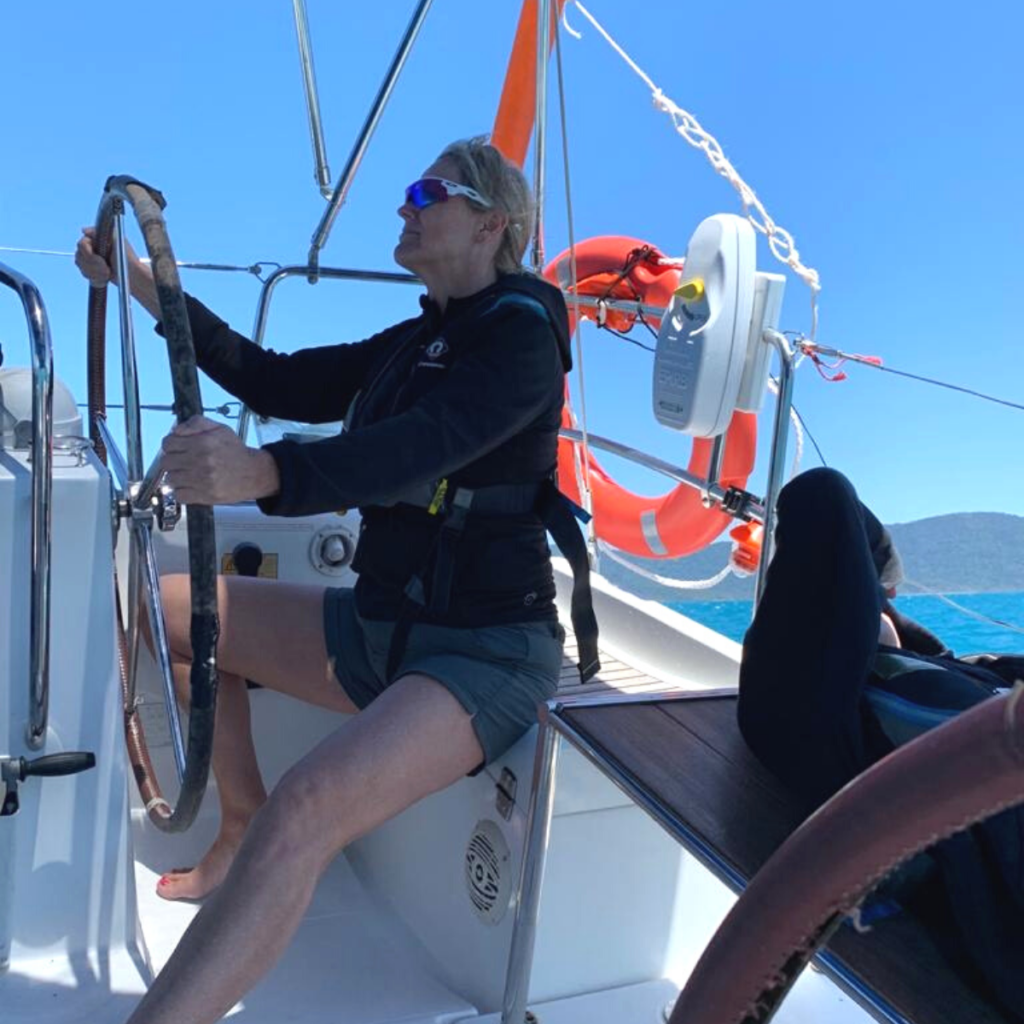
<div class="wp-block-image is-style-rounded"><figure class="aligncenter size-large is-resized"><img src="https://www.performanceperspectives.com.au/wp-content/uploads/2021/10/Performance-Perspectives-Instagram-October-2021-24-1024x1024.png" alt="Tracy Veivers sailing" class="wp-image-2426" width="559" height="559" srcset="https://www.performanceperspectives.com.au/wp-content/uploads/2021/10/Performance-Perspectives-Instagram-October-2021-24-1024x1024.png 1024w, https://www.performanceperspectives.com.au/wp-content/uploads/2021/10/Performance-Perspectives-Instagram-October-2021-24-300x300.png 300w, https://www.performanceperspectives.com.au/wp-content/uploads/2021/10/Performance-Perspectives-Instagram-October-2021-24-150x150.png 150w, https://www.performanceperspectives.com.au/wp-content/uploads/2021/10/Performance-Perspectives-Instagram-October-2021-24-768x768.png 768w, https://www.performanceperspectives.com.au/wp-content/uploads/2021/10/Performance-Perspectives-Instagram-October-2021-24.png 1200w" sizes="(max-width: 559px) 100vw, 559px" /></figure></div>


<p>Q3</p>


<p><em>What would you like the public to know about a psychologist’s work in this sport?</em><em></em></p>


<p>That our roles are all consuming. From liaising &amp; mediating with NSOs, coaches &amp; other Scientists etc to travelling with Athletes &amp; forging strong bonds with athletes/coaches in order to embed an ability to be able to utilise that relationship to&nbsp;impact change.&nbsp;</p>


<p>Q4</p>


<p><em>Any particularly memorable moments or funny anecdotes you would like to share about your time together with these athletes/this sport?</em></p>


<p>Travelling with the athletes &amp; creating a fun yet hard working culture in how we went about our preparation for a regatta. Taking them sight seeing &amp; sharing historical information about the location &amp; connecting relevance to their own journeys; being silly &amp; teaching them humour when little things go awry eg when a shared toilet got blocked &amp; making it a fun challenge to source tools &amp; to sing when fixing it. When there was a sailing accident &amp; the boat had to be fixed &amp; we all got busy in our roles staying up late &amp; somehow I screwed up simply cooking rice. The highs &amp; the lows all contributing to understanding that the little things count. That it’s how we work on ourselves &amp; each other as well as mastering our craft.&nbsp; High performance can bring out the best &amp; worst in you.&nbsp;We don’t have to be perfect but we have to be dedicated &amp; forgiving, &amp; dedicating to forgiving. And always trying to find a way to laugh.</p>
<p>The post <a rel="nofollow" href="https://www.performanceperspectives.com.au/sport-psychology/working-with-olympic-sailors/">Working with Olympic Sailors Interview</a> appeared first on <a rel="nofollow" href="https://www.performanceperspectives.com.au">Performance Perspectives</a>.</p>
]]></content:encoded>
					
					<wfw:commentRss>https://www.performanceperspectives.com.au/sport-psychology/working-with-olympic-sailors/feed/</wfw:commentRss>
			<slash:comments>0</slash:comments>
		
		
			</item>
		<item>
		<title>How Perfomance Psychology can play a part in helping Olympians achieve success?</title>
		<link>https://www.performanceperspectives.com.au/sport-psychology/how-perfomance-psychology-can-play-a-part-in-helping-olympians-achieve-success/</link>
					<comments>https://www.performanceperspectives.com.au/sport-psychology/how-perfomance-psychology-can-play-a-part-in-helping-olympians-achieve-success/#respond</comments>
		
		<dc:creator><![CDATA[admin]]></dc:creator>
		<pubDate>Fri, 01 Oct 2021 04:32:40 +0000</pubDate>
				<category><![CDATA[Sport Psychology]]></category>
		<guid isPermaLink="false">https://www.performanceperspectives.com.au/?p=2402</guid>

					<description><![CDATA[<p>As an athlete there are many milestones to achieve to have a successful career.<br />
Competing at the Olympics and representing your country for most elite athletes would be the pinnacle. </p>
<p>The post <a rel="nofollow" href="https://www.performanceperspectives.com.au/sport-psychology/how-perfomance-psychology-can-play-a-part-in-helping-olympians-achieve-success/">How Perfomance Psychology can play a part in helping Olympians achieve success?</a> appeared first on <a rel="nofollow" href="https://www.performanceperspectives.com.au">Performance Perspectives</a>.</p>
]]></description>
										<content:encoded><![CDATA[		<div data-elementor-type="wp-post" data-elementor-id="2402" class="elementor elementor-2402" data-elementor-settings="[]">
							<div class="elementor-section-wrap">
							<section class="elementor-section elementor-top-section elementor-element elementor-element-7854162 elementor-section-boxed elementor-section-height-default elementor-section-height-default" data-id="7854162" data-element_type="section">
						<div class="elementor-container elementor-column-gap-default">
					<div class="elementor-column elementor-col-100 elementor-top-column elementor-element elementor-element-4c53d5fe" data-id="4c53d5fe" data-element_type="column">
			<div class="elementor-widget-wrap elementor-element-populated">
								<div class="elementor-element elementor-element-2947fbd8 elementor-widget elementor-widget-text-editor" data-id="2947fbd8" data-element_type="widget" data-widget_type="text-editor.default">
				<div class="elementor-widget-container">
							<p><!-- wp:paragraph --></p>
<p>As an athlete there are many milestones to achieve to have a successful career.  <span style="font-style: inherit; font-weight: inherit; color: var( --e-global-color-text ); font-family: var( --e-global-typography-text-font-family ), Sans-serif;">Competing at the Olympics and representing your country for most elite athletes would be the pinnacle. </span><span style="font-style: inherit; font-weight: inherit; color: var( --e-global-color-text ); font-family: var( --e-global-typography-text-font-family ), Sans-serif;">To be competitive at the Olympic level having the right mindset and managing the pressure is where Olympic athletes can have an edge over their competitors. This is where </span><span style="font-style: inherit; font-weight: inherit; color: var( --e-global-color-text ); font-family: var( --e-global-typography-text-font-family ), Sans-serif;">performance psychologists can help create the right tools for success. If you are </span><span style="font-style: inherit; font-weight: inherit; color: var( --e-global-color-text ); font-family: var( --e-global-typography-text-font-family ), Sans-serif;">looking for ways to handle pressure, see our tips </span><a style="font-style: inherit; font-weight: inherit; font-family: var( --e-global-typography-text-font-family ), Sans-serif; background-color: #ffffff;" href="https://www.performanceperspectives.com.au/sport-psychology/how-sports-psychologists-help-athletes-handle-pressure/">here</a><span style="font-style: inherit; font-weight: inherit; color: var( --e-global-color-text ); font-family: var( --e-global-typography-text-font-family ), Sans-serif;">. </span><span style="font-style: inherit; font-weight: inherit; color: var( --e-global-color-text ); font-family: var( --e-global-typography-text-font-family ), Sans-serif;">Olympic athletes show how they rise above losses to create more successes:</span></p>
<p><!-- /wp:paragraph --></p>						</div>
				</div>
				<div class="elementor-element elementor-element-7d7b03d elementor-widget elementor-widget-heading" data-id="7d7b03d" data-element_type="widget" data-widget_type="heading.default">
				<div class="elementor-widget-container">
			<h2 class="elementor-heading-title elementor-size-medium">Amita Berthier, Women's Foil Fencing, Singapore</h2>		</div>
				</div>
				<div class="elementor-element elementor-element-cd7318d elementor-widget elementor-widget-image" data-id="cd7318d" data-element_type="widget" data-widget_type="image.default">
				<div class="elementor-widget-container">
															<img width="225" height="300" src="https://www.performanceperspectives.com.au/wp-content/uploads/2021/10/amita-berthier-e1633062249195-225x300.jpeg" class="attachment-medium size-medium" alt="Amita Berthier Performance Psychology" loading="lazy" srcset="https://www.performanceperspectives.com.au/wp-content/uploads/2021/10/amita-berthier-e1633062249195-225x300.jpeg 225w, https://www.performanceperspectives.com.au/wp-content/uploads/2021/10/amita-berthier-e1633062249195.jpeg 364w" sizes="(max-width: 225px) 100vw, 225px" />															</div>
				</div>
				<div class="elementor-element elementor-element-6b6c325 elementor-widget elementor-widget-text-editor" data-id="6b6c325" data-element_type="widget" data-widget_type="text-editor.default">
				<div class="elementor-widget-container">
							<p><span style="font-weight: 400;">Amita was the first fencer from Singapore to qualify for the Olympics outright.  Whilst she has many medals stockpiled including bronze at World Junior &amp; Cadet Championships, gold in SEA Games, silver at Guatemala Junior World Cup, and gold at Havana Junior World Cup there are many bouts she has lost.  This included facing three-time Olympian, world No. 5 Lee Kiefer in July at the Tokyo Olympics. The Singaporean lost to the American 4-15 ending her Olympic campaign but hopefully offering invaluable experience and the motivation toward Paris 2024. </span></p>
<p><span style="font-weight: 400;">Competing at the Olympics was a dream and a promise that she made to her late father, which motivated her to win tournaments to secure her spot in Tokyo.</span></p>
<p> </p>						</div>
				</div>
				<div class="elementor-element elementor-element-fbeddc7 elementor-widget elementor-widget-heading" data-id="fbeddc7" data-element_type="widget" data-widget_type="heading.default">
				<div class="elementor-widget-container">
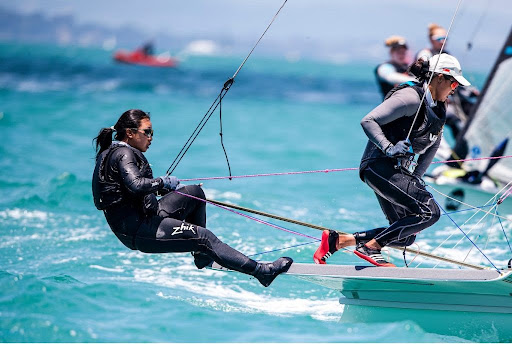
			<h2 class="elementor-heading-title elementor-size-medium">Kim Lim & Cecilia Low, Sailing Duo: Woman’s 49fx, Singapore</h2>		</div>
				</div>
				<div class="elementor-element elementor-element-eb1f58f elementor-widget elementor-widget-image" data-id="eb1f58f" data-element_type="widget" data-widget_type="image.default">
				<div class="elementor-widget-container">
															<img width="512" height="344" src="https://www.performanceperspectives.com.au/wp-content/uploads/2021/10/kim-lim-and-cecilia-low.jpeg" class="attachment-large size-large" alt="Sailing team" loading="lazy" srcset="https://www.performanceperspectives.com.au/wp-content/uploads/2021/10/kim-lim-and-cecilia-low.jpeg 512w, https://www.performanceperspectives.com.au/wp-content/uploads/2021/10/kim-lim-and-cecilia-low-300x202.jpeg 300w" sizes="(max-width: 512px) 100vw, 512px" />															</div>
				</div>
				<div class="elementor-element elementor-element-7117b1c elementor-widget elementor-widget-text-editor" data-id="7117b1c" data-element_type="widget" data-widget_type="text-editor.default">
				<div class="elementor-widget-container">
							<p><span style="font-weight: 400;">The Tokyo Olympics was a successful campaign for Singapore Sailing, with Kim and Cecilia being the first women’s sailing duo to make it through qualifications during a medal race, taking the 9th position out of 21 teams that participated. </span></p>
<p><span style="font-weight: 400;">Lim had great success in the 420 class, having won gold medal at the 2013 Southeast Asian Championships, along with silver at the 420 World Championships, for both Open and U18 before taking gold again in the 2014 Incheon Asian Games, which was her last competition before moving to the 49er FX class. </span></p>
<p><span style="font-weight: 400;">Both Kim and Cecilia admit in their hearts that they wished their performances at the Tokyo Olympics could have been better.  Let us look forward to see what the next 3 years bring with their mental, physical, technical and tactical preparation toward Paris 2024.  </span></p>
<p><span style="font-weight: 400;"> </span></p>						</div>
				</div>
				<div class="elementor-element elementor-element-e6d9c3f elementor-widget elementor-widget-heading" data-id="e6d9c3f" data-element_type="widget" data-widget_type="heading.default">
				<div class="elementor-widget-container">
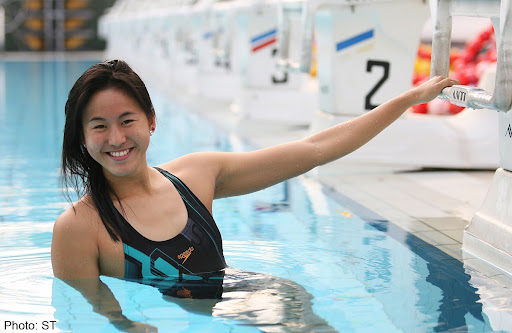
			<h2 class="elementor-heading-title elementor-size-medium">Quah Ting Wen, Women’s 100m free + 50m free Swimming, Singapore</h2>		</div>
				</div>
				<div class="elementor-element elementor-element-7a0b41d elementor-widget elementor-widget-image" data-id="7a0b41d" data-element_type="widget" data-widget_type="image.default">
				<div class="elementor-widget-container">
															<img width="512" height="333" src="https://www.performanceperspectives.com.au/wp-content/uploads/2021/10/quah-ting-wen.jpeg" class="attachment-large size-large" alt="quah ting wen olympics" loading="lazy" srcset="https://www.performanceperspectives.com.au/wp-content/uploads/2021/10/quah-ting-wen.jpeg 512w, https://www.performanceperspectives.com.au/wp-content/uploads/2021/10/quah-ting-wen-300x195.jpeg 300w" sizes="(max-width: 512px) 100vw, 512px" />															</div>
				</div>
				<div class="elementor-element elementor-element-e3e81c3 elementor-widget elementor-widget-text-editor" data-id="e3e81c3" data-element_type="widget" data-widget_type="text-editor.default">
				<div class="elementor-widget-container">
							<p><span style="font-weight: 400;">Quah started her international swimming career in 2005 taking away two silver and </span><span style="font-style: inherit; color: var( --e-global-color-text ); font-family: var( --e-global-typography-text-font-family ), Sans-serif;">bronze medals at the Southeast Asian Games, attending her first Olympic games in </span><span style="font-style: inherit; font-weight: inherit; color: var( --e-global-color-text ); font-family: var( --e-global-typography-text-font-family ), Sans-serif;">2008, in Beijing. This didn’t hold her back. </span><span style="font-style: inherit; font-weight: inherit; color: var( --e-global-color-text ); font-family: var( --e-global-typography-text-font-family ), Sans-serif;">Making waves after her success at the 2009 Asian Youth Games, she took home four </span><span style="font-style: inherit; font-weight: inherit; color: var( --e-global-color-text ); font-family: var( --e-global-typography-text-font-family ), Sans-serif;">gold medals. </span></p>
<p><span style="font-weight: 400;">Ting Wen continued this level of success year-on-year with multiple gold, silver and bronze medals being won at the Southeast Asian Games to eventually earn her right to compete at the Tokyo Olympics being her third Olympics.</span></p>
<p><span style="font-weight: 400;"> </span></p>						</div>
				</div>
				<div class="elementor-element elementor-element-3224936 elementor-widget elementor-widget-heading" data-id="3224936" data-element_type="widget" data-widget_type="heading.default">
				<div class="elementor-widget-container">
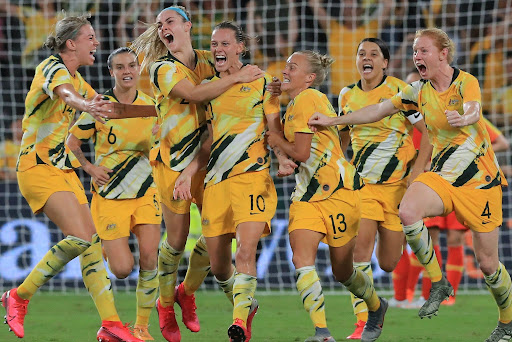
			<h2 class="elementor-heading-title elementor-size-medium">Matildas, Australian women’s football </h2>		</div>
				</div>
				<div class="elementor-element elementor-element-65dfc16 elementor-widget elementor-widget-image" data-id="65dfc16" data-element_type="widget" data-widget_type="image.default">
				<div class="elementor-widget-container">
															<img width="512" height="342" src="https://www.performanceperspectives.com.au/wp-content/uploads/2021/10/matildas.jpeg" class="attachment-large size-large" alt="matildas women sport psychology" loading="lazy" srcset="https://www.performanceperspectives.com.au/wp-content/uploads/2021/10/matildas.jpeg 512w, https://www.performanceperspectives.com.au/wp-content/uploads/2021/10/matildas-300x200.jpeg 300w" sizes="(max-width: 512px) 100vw, 512px" />															</div>
				</div>
				<div class="elementor-element elementor-element-f61386f elementor-widget elementor-widget-text-editor" data-id="f61386f" data-element_type="widget" data-widget_type="text-editor.default">
				<div class="elementor-widget-container">
							<p><span style="font-weight: 400;">The Matildas, Australia’s Women’s Football team has represented Australia at the World Cup on seven occasions and at the Olympic Games on four. Their first Olympic success came with a win and a draw in Sydney for the 2000 Olympics. Tokyo saw the team bring 12 experienced Olympic players with the remaining 6 debuting, giving them a great mix of youthful drive and experience on the pitch. They are currently ranked eleventh in the world by FIFA.  For now.  As Australia will co-host the 2023 FIFA Women’s World Cup the Matildas will be a team to watch. </span></p>						</div>
				</div>
				<div class="elementor-element elementor-element-7d51c97 elementor-widget-divider--view-line elementor-widget elementor-widget-divider" data-id="7d51c97" data-element_type="widget" data-widget_type="divider.default">
				<div class="elementor-widget-container">
					<div class="elementor-divider">
			<span class="elementor-divider-separator">
						</span>
		</div>
				</div>
				</div>
				<div class="elementor-element elementor-element-fb28fd7 elementor-widget elementor-widget-text-editor" data-id="fb28fd7" data-element_type="widget" data-widget_type="text-editor.default">
				<div class="elementor-widget-container">
							<p style="text-align: center;"><span style="font-weight: 400;">These athletes show that not all competitions or tournaments will result in a win; that losing is part of the process to success.  </span><span style="font-weight: 400;">Having a sports psychologist support you on that journey will help you to process the experiences.  Learning to lose in a way that will ultimately give you the edge to fulfill your ambitions.</span></p>						</div>
				</div>
					</div>
		</div>
							</div>
		</section>
						</div>
					</div>
		<p>The post <a rel="nofollow" href="https://www.performanceperspectives.com.au/sport-psychology/how-perfomance-psychology-can-play-a-part-in-helping-olympians-achieve-success/">How Perfomance Psychology can play a part in helping Olympians achieve success?</a> appeared first on <a rel="nofollow" href="https://www.performanceperspectives.com.au">Performance Perspectives</a>.</p>
]]></content:encoded>
					
					<wfw:commentRss>https://www.performanceperspectives.com.au/sport-psychology/how-perfomance-psychology-can-play-a-part-in-helping-olympians-achieve-success/feed/</wfw:commentRss>
			<slash:comments>0</slash:comments>
		
		
			</item>
		<item>
		<title>How sports psychologists help athletes handle pressure</title>
		<link>https://www.performanceperspectives.com.au/sport-psychology/how-sports-psychologists-help-athletes-handle-pressure/</link>
					<comments>https://www.performanceperspectives.com.au/sport-psychology/how-sports-psychologists-help-athletes-handle-pressure/#respond</comments>
		
		<dc:creator><![CDATA[admin]]></dc:creator>
		<pubDate>Mon, 19 Jul 2021 18:14:00 +0000</pubDate>
				<category><![CDATA[Sport Psychology]]></category>
		<guid isPermaLink="false">https://www.performanceperspectives.com.au/?p=1548</guid>

					<description><![CDATA[<p>During your career as an athlete, you will have to develop ways to be able to perform under pressure.&#160; Pressure can negatively affect your performance and can cause an increased heart rate, cause difficulty making decisions, create unwanted tension and cause you to do the wrong thing. This can often be overwhelming, particularly for those &#8230;</p>
<p class="read-more"> <a class="" href="https://www.performanceperspectives.com.au/sport-psychology/how-sports-psychologists-help-athletes-handle-pressure/"> <span class="screen-reader-text">How sports psychologists help athletes handle pressure</span> Read More &#187;</a></p>
<p>The post <a rel="nofollow" href="https://www.performanceperspectives.com.au/sport-psychology/how-sports-psychologists-help-athletes-handle-pressure/">How sports psychologists help athletes handle pressure</a> appeared first on <a rel="nofollow" href="https://www.performanceperspectives.com.au">Performance Perspectives</a>.</p>
]]></description>
										<content:encoded><![CDATA[
<p>During your career as an athlete, you will have to develop ways to be able to perform under pressure.&nbsp;</p>


<p>Pressure can negatively affect your performance and can cause an increased heart rate, cause difficulty making decisions, create unwanted tension and cause you to do the wrong thing. This can often be overwhelming, particularly for those who have not had a wealth of athletic experience.&nbsp;</p>


<p>For those who find the pressure is negatively impacting their athletic performance, it can be beneficial to seek help from a sport psychologist.&nbsp;</p>


<p>So what is a sport psychologist, and how exactly do sport psychologists help athletes handle the pressure?&nbsp;</p>


<figure class="wp-block-gallery columns-1 is-cropped"><ul class="blocks-gallery-grid"><li class="blocks-gallery-item"><figure><img loading="lazy" width="885" height="587" src="https://www.performanceperspectives.com.au/wp-content/uploads/2021/07/Screen-Shot-2021-07-15-at-2.28.18-pm.png" alt="" data-id="1549" data-full-url="https://www.performanceperspectives.com.au/wp-content/uploads/2021/07/Screen-Shot-2021-07-15-at-2.28.18-pm.png" data-link="https://www.performanceperspectives.com.au/?attachment_id=1549" class="wp-image-1549" srcset="https://www.performanceperspectives.com.au/wp-content/uploads/2021/07/Screen-Shot-2021-07-15-at-2.28.18-pm.png 885w, https://www.performanceperspectives.com.au/wp-content/uploads/2021/07/Screen-Shot-2021-07-15-at-2.28.18-pm-300x199.png 300w, https://www.performanceperspectives.com.au/wp-content/uploads/2021/07/Screen-Shot-2021-07-15-at-2.28.18-pm-768x509.png 768w" sizes="(max-width: 885px) 100vw, 885px" /></figure></li></ul></figure>


<p><strong>What is a sport psychologist?&nbsp;</strong></p>


<p>A sport psychologist is an expertly qualified professional that is proficient in using psychological knowledge and skills to address optimal performance and wellbeing of athletes and coaches, developmental and social aspects of sports participation and systemic issues associated with sports settings and organisations.</p>


<p><strong>How do sport psychologists help athletes handle the pressure?</strong></p>


<p>There are numerous methods that sport psychologists can use to help athletes handle pressure.&nbsp;</p>


<p><strong>1. Control the controllable&nbsp;</strong></p>


<p>Overwhelming pressure is often felt when athletes are fixated on events that are out of their control.&nbsp;</p>


<p>To relieve some of this pressure, it is often helpful to try and focus on what is controllable. Break down the controllable event into smaller, actionable steps.&nbsp;</p>


<p><strong>2. Focus on breathing</strong></p>


<p>When you are under intense pressure, your breathing will accelerate. To be able to perform as an athlete under pressure, you will need to practice remaining calm and focused.&nbsp;</p>


<p>To do this, you will need to focus on your breathing. Deep, rhythmic breathing will help you to be able to remain focused, aware and in control of the situation.&nbsp;</p>


<p><strong>3. Use visualisation techniques</strong></p>


<p>Visualising your day can help you feel more in control of the situation and feel less pressure. It helps to visualise the entire day – getting up, going to training, participating in the sporting event. Visualisation can help athletes to feel less overwhelmed and feel less pressure. </p>



<div class="wp-block-image"><figure class="aligncenter size-full"><img loading="lazy" width="885" height="584" src="https://www.performanceperspectives.com.au/wp-content/uploads/2021/07/Screen-Shot-2021-07-15-at-2.32.56-pm.png" alt="" class="wp-image-1550" srcset="https://www.performanceperspectives.com.au/wp-content/uploads/2021/07/Screen-Shot-2021-07-15-at-2.32.56-pm.png 885w, https://www.performanceperspectives.com.au/wp-content/uploads/2021/07/Screen-Shot-2021-07-15-at-2.32.56-pm-300x198.png 300w, https://www.performanceperspectives.com.au/wp-content/uploads/2021/07/Screen-Shot-2021-07-15-at-2.32.56-pm-768x507.png 768w" sizes="(max-width: 885px) 100vw, 885px" /></figure></div>


<p><strong>4. Keep a journal</strong></p>


<p>Athlete’s may feel hesitant to keep a journal – but it can help to get you out of your head. Writing down your feelings and problems can help you to see a resolution or have thoughts from another perspective. This can be a particularly useful strategy if you are having trouble sleeping.&nbsp;</p>


<p><strong>5. Downsize the importance</strong></p>


<p>Sometimes, the best way to improve your performance and feel less pressure is to downsize the importance of the situation. Putting too much pressure and stress on yourself to perform at an important event can often cause you to perform worse.&nbsp;</p>


<p>Instead, athletes can try to downsize the importance of events. Try to reframe the situation; instead of thinking the one event is the be all and end all, it can be thought of as an opportunity to try and perform your best. Sport psychologists will help athletes to try and learn something from losing, rather than seeing losing so negatively. This way, athletes will start to realise the worst than can happen in any sport situation is that they will lose, and they will be able to bounce back and learn from the loss.&nbsp;</p>


<p>Remember – every athlete is different. What works to take pressure off one athlete may not work for another. If you are struggling with pressure when performing in sport, make sure to talk to a sport psychologist who will be able to help find the right coping strategy for you.&nbsp;</p>
<p>The post <a rel="nofollow" href="https://www.performanceperspectives.com.au/sport-psychology/how-sports-psychologists-help-athletes-handle-pressure/">How sports psychologists help athletes handle pressure</a> appeared first on <a rel="nofollow" href="https://www.performanceperspectives.com.au">Performance Perspectives</a>.</p>
]]></content:encoded>
					
					<wfw:commentRss>https://www.performanceperspectives.com.au/sport-psychology/how-sports-psychologists-help-athletes-handle-pressure/feed/</wfw:commentRss>
			<slash:comments>0</slash:comments>
		
		
			</item>
		<item>
		<title>Sport psychologist tips to manage mental health and wellbeing</title>
		<link>https://www.performanceperspectives.com.au/sport-psychology/sport-psychologist-tips-to-manage-mental-health-and-wellbeing/</link>
					<comments>https://www.performanceperspectives.com.au/sport-psychology/sport-psychologist-tips-to-manage-mental-health-and-wellbeing/#respond</comments>
		
		<dc:creator><![CDATA[admin]]></dc:creator>
		<pubDate>Fri, 16 Jul 2021 18:15:00 +0000</pubDate>
				<category><![CDATA[Sport Psychology]]></category>
		<guid isPermaLink="false">https://www.performanceperspectives.com.au/?p=1553</guid>

					<description><![CDATA[<p>Working in a professional sport isn’t just about keeping physically fit and healthy. It is also important to prioritise your mental health and wellbeing.&#160; So what tips do sports psychologists have to manage mental health and wellbeing?&#160; Seek help Athletes tend to avoid seeking help for mental health and wellbeing. Many people, including athletes, will &#8230;</p>
<p class="read-more"> <a class="" href="https://www.performanceperspectives.com.au/sport-psychology/sport-psychologist-tips-to-manage-mental-health-and-wellbeing/"> <span class="screen-reader-text">Sport psychologist tips to manage mental health and wellbeing</span> Read More &#187;</a></p>
<p>The post <a rel="nofollow" href="https://www.performanceperspectives.com.au/sport-psychology/sport-psychologist-tips-to-manage-mental-health-and-wellbeing/">Sport psychologist tips to manage mental health and wellbeing</a> appeared first on <a rel="nofollow" href="https://www.performanceperspectives.com.au">Performance Perspectives</a>.</p>
]]></description>
										<content:encoded><![CDATA[
<p>Working in a professional sport isn’t just about keeping physically fit and healthy. It is also important to prioritise your mental health and wellbeing.&nbsp;</p>


<p>So what tips do sports psychologists have to manage mental health and wellbeing?&nbsp;</p>


<div class="wp-block-image"><figure class="aligncenter size-full"><img loading="lazy" width="889" height="588" src="https://www.performanceperspectives.com.au/wp-content/uploads/2021/07/Screen-Shot-2021-07-15-at-2.33.37-pm.png" alt="" class="wp-image-1554" srcset="https://www.performanceperspectives.com.au/wp-content/uploads/2021/07/Screen-Shot-2021-07-15-at-2.33.37-pm.png 889w, https://www.performanceperspectives.com.au/wp-content/uploads/2021/07/Screen-Shot-2021-07-15-at-2.33.37-pm-300x198.png 300w, https://www.performanceperspectives.com.au/wp-content/uploads/2021/07/Screen-Shot-2021-07-15-at-2.33.37-pm-768x508.png 768w" sizes="(max-width: 889px) 100vw, 889px" /></figure></div>


<p><strong>Seek help</strong></p>


<p>Athletes tend to avoid seeking help for mental health and wellbeing. Many people, including athletes, will perceive seeking help for mental health as a weakness. This means the athlete’s mental health can deteriorate while they are avoiding seeking help.&nbsp;</p>


<p>Seek help from a sports psychologist, who will be able to suggest different ways you can manage your mental health and wellbeing and reinforce positive behaviours.</p>


<p><strong>Build resilience</strong></p>


<p>Athletes are often so busy training and focusing on their physical health that they do not set time aside to work on their mental health and wellbeing. This can prove to be harmful in the long term.&nbsp;</p>


<p>Athletes need to make sure to set regular time aside to focus on their mental health and wellbeing. This will also have a positive impact on their physical performance as well.</p>


<p>The more time you spend practising good mental health and wellness practices, the more resilience you will build. When it comes to mental health, it is not a one-size-fits-all approach. What works for one athlete may not work for the next. Instead, change strategies until you find exactly what works for you.</p>


<p><strong>Challenge unhelpful thinking</strong></p>


<p>Athletes will often be under extreme pressure to perform well and to win. This can cause athletes to have negative thoughts, which can be detrimental to their mental health. Thoughts about not being good enough, coaches or teammates not liking them or negative thoughts when they do not achieve their goals are common. This not only negatively impacts their mental health but also their physical performance.</p>


<p>When you have unhelpful thoughts, it is important to try and recognise these thoughts as unhelpful before they can have any negative impact on your mood. Instead, try to think if somebody else would say these things to you. Would you say your best friend isn’t good enough or is a failure? If not, why are you saying these things to yourself? Challenging unhelpful thinking can help to start becoming more positive and as a direct result, improve your physical performance.&nbsp;</p>


<div class="wp-block-image"><figure class="aligncenter size-full"><img loading="lazy" width="887" height="586" src="https://www.performanceperspectives.com.au/wp-content/uploads/2021/07/Screen-Shot-2021-07-15-at-2.34.23-pm.png" alt="" class="wp-image-1555" srcset="https://www.performanceperspectives.com.au/wp-content/uploads/2021/07/Screen-Shot-2021-07-15-at-2.34.23-pm.png 887w, https://www.performanceperspectives.com.au/wp-content/uploads/2021/07/Screen-Shot-2021-07-15-at-2.34.23-pm-300x198.png 300w, https://www.performanceperspectives.com.au/wp-content/uploads/2021/07/Screen-Shot-2021-07-15-at-2.34.23-pm-768x507.png 768w" sizes="(max-width: 887px) 100vw, 887px" /></figure></div>


<p><strong>Give yourself time to recover</strong></p>


<p>Recovery is a crucial part of your day for athletes. When athletes are so focused on being in the best physical shape, it can often be a struggle to schedule enough time in to recover. However, making sure you have enough time to recover from training and performing is crucial to being able to reach peak performance.&nbsp;</p>


<p>Make sure you get enough sleep each night. Research has shown getting enough sleep is important for performing at your best, and not having enough sleep can increase the likelihood of ending up with an injury.&nbsp;</p>


<p>Introduce a regular sleep schedule so your body is used to a certain routine. Make sure to avoid excessive consumption of caffeine before going to bed; caffeine consumption will result in a poor quality of sleep. When you find you can’t sleep at night, don’t just stay in bed. If you have been awake for longer than 20 minutes, get out of bed and try and relax somewhere else before returning to bed.</p>


<p><strong>Have a good work-life balance</strong></p>


<p>When you’re an athlete, your life can quickly get consumed by your sport. However, it is important to make sure you schedule some time away from the sport just for yourself. Schedule some time for your friends or family, another hobby, studying or even just relaxing at home.&nbsp;</p>


<p><strong>Talk to teammates or coaches</strong></p>


<p>It can often be overwhelming to try and talk about mental health struggles. However, it is worse to keep it to yourself.&nbsp;</p>


<p>If you are struggling, make sure to find someone you trust who you can talk to. Teammates or coaches will be able to directly relate to what you are going through and may have helpful advice they have learned from their own experiences. This is particularly important if you are injured. Reaching out means you will be able to stay in contact with the team even if you aren’t currently training or playing.</p>


<p>Remember, if you are struggling it is ok to reach out for help.&nbsp;</p>


<h4>SEARCH</h4>
<p>The post <a rel="nofollow" href="https://www.performanceperspectives.com.au/sport-psychology/sport-psychologist-tips-to-manage-mental-health-and-wellbeing/">Sport psychologist tips to manage mental health and wellbeing</a> appeared first on <a rel="nofollow" href="https://www.performanceperspectives.com.au">Performance Perspectives</a>.</p>
]]></content:encoded>
					
					<wfw:commentRss>https://www.performanceperspectives.com.au/sport-psychology/sport-psychologist-tips-to-manage-mental-health-and-wellbeing/feed/</wfw:commentRss>
			<slash:comments>0</slash:comments>
		
		
			</item>
		<item>
		<title>How do sport psychologists coach athletes to optimise their recovery?</title>
		<link>https://www.performanceperspectives.com.au/sport-psychology/how-do-sport-psychologists-coach-athletes-to-optimise-their-recovery/</link>
		
		<dc:creator><![CDATA[admin]]></dc:creator>
		<pubDate>Mon, 21 Jun 2021 01:10:16 +0000</pubDate>
				<category><![CDATA[Sport Psychology]]></category>
		<guid isPermaLink="false">https://www.performanceperspectives.com.au/?p=354</guid>

					<description><![CDATA[<p>It can often be difficult for athletes who suffer from an injury. Not only is there the physical injury to recover from, but the time away from the sport can have a negative mental impact too. This is where sport psychologists can help. So what exactly is a sport psychologist, and how do sport psychologists &#8230;</p>
<p class="read-more"> <a class="" href="https://www.performanceperspectives.com.au/sport-psychology/how-do-sport-psychologists-coach-athletes-to-optimise-their-recovery/"> <span class="screen-reader-text">How do sport psychologists coach athletes to optimise their recovery?</span> Read More &#187;</a></p>
<p>The post <a rel="nofollow" href="https://www.performanceperspectives.com.au/sport-psychology/how-do-sport-psychologists-coach-athletes-to-optimise-their-recovery/">How do sport psychologists coach athletes to optimise their recovery?</a> appeared first on <a rel="nofollow" href="https://www.performanceperspectives.com.au">Performance Perspectives</a>.</p>
]]></description>
										<content:encoded><![CDATA[<p>It can often be difficult for athletes who suffer from an injury. Not only is there the physical injury to recover from, but the time away from the sport can have a negative mental impact too.</p>
<p>This is where sport psychologists can help.</p>
<p>So what exactly is a sport psychologist, and how do sport psychologists coach athletes to optimise their recovery?</p>
<p><img loading="lazy" class="aligncenter wp-image-1546 size-full" src="https://www.performanceperspectives.com.au/wp-content/uploads/2021/06/How-do-sport-psychologists-coach-athletes-to-optimise-their-recovery.png" alt="" width="993" height="658" srcset="https://www.performanceperspectives.com.au/wp-content/uploads/2021/06/How-do-sport-psychologists-coach-athletes-to-optimise-their-recovery.png 993w, https://www.performanceperspectives.com.au/wp-content/uploads/2021/06/How-do-sport-psychologists-coach-athletes-to-optimise-their-recovery-300x199.png 300w, https://www.performanceperspectives.com.au/wp-content/uploads/2021/06/How-do-sport-psychologists-coach-athletes-to-optimise-their-recovery-768x509.png 768w" sizes="(max-width: 993px) 100vw, 993px" /></p>
<p><strong> </strong></p>
<h2><strong>What is a sport psychologist? </strong></h2>
<p>Sport psychologists work with athletes to improve their performance and overall wellbeing. Unlike a coach, the sport psychologist does not focus on the physical performance of the athlete. Rather, a sport psychologist focuses on mental improvements.</p>
<p>Sport psychologists can help athletes with:</p>
<ul>
<li><strong>Motivation</strong>: adjusting an athlete’s mindset to increase their motivation particularly during rehabilitation</li>
<li><strong>Pressure</strong>: introducing strategies to help to deal with the pressure and stress of returning to competition</li>
<li><strong>Optimising performance</strong>: introducing positive self-talk and relaxation techniques to help athlete’s patience especially when trying to return to form</li>
<li><strong>Coaches</strong>: sport psychologists can work with coaches to help optimise the communication between coach-athlete to ensure both parties are on the same page with realistic expectations when returning from injury</li>
</ul>
<h2><strong>What impact can an injury have on an athlete?</strong></h2>
<p>Everyone will suffer injuries at one point or another, however, the impact of an injury can be greater on a professional athlete. Many athletes may miss out on training for indefinite periods of time, which could have consequential effects such as loss of win-bonuses in the case of professional athletes.</p>
<p>Not only does the athlete have a decline in physical performance, but this can also negatively impact their mental health. The physical decline can cause a reduction in self-esteem, a lack of motivation and a lack of ability to cope with stress.</p>
<p>Athletes who are physically injured will often fixate on how long they will be away from the sport or feel despair about if they will ever be able to return. Athletes will feel a range of emotions about their injury and recovery period, including fear, anxiety, anger, irritation and low motivation.</p>
<p><img loading="lazy" class="aligncenter wp-image-854 size-full" src="https://www.performanceperspectives.com.au/wp-content/uploads/2021/06/Screen-Shot-2021-06-21-at-11.08.45-am.png" alt="" width="1081" height="660" srcset="https://www.performanceperspectives.com.au/wp-content/uploads/2021/06/Screen-Shot-2021-06-21-at-11.08.45-am.png 1081w, https://www.performanceperspectives.com.au/wp-content/uploads/2021/06/Screen-Shot-2021-06-21-at-11.08.45-am-300x183.png 300w, https://www.performanceperspectives.com.au/wp-content/uploads/2021/06/Screen-Shot-2021-06-21-at-11.08.45-am-1024x625.png 1024w, https://www.performanceperspectives.com.au/wp-content/uploads/2021/06/Screen-Shot-2021-06-21-at-11.08.45-am-768x469.png 768w" sizes="(max-width: 1081px) 100vw, 1081px" /></p>
<h2><strong>How sport psychologists coach athletes to optimise their recovery</strong></h2>
<p><strong> </strong>One area a sport psychologist works in is optimising the recovery of an injured athlete.</p>
<p>Sport psychologists can help athletes effectively cope with the injury whilst working towards recovery. <a href="https://dukespace.lib.duke.edu/dspace/bitstream/handle/10161/15736/MALS%20-Anunike-%20Coping%20With%20Injury-%20Final%20Document%20For%20Submission-%20March%202015-PDF.pdf?sequence=1&amp;isAllowed=y">Research has found</a> injured athletes who have negative emotions during the healing process can potentially impact their recovery negatively.</p>
<p>There are numerous strategies that can work to help athletes recover. These include:</p>
<ul>
<li>Pain management strategies to help tolerate any pain associated with the injury</li>
<li>Help the athlete to adjust to not participating in their training</li>
<li>assist in dedication to the rehabilitative process by introducing positive self-talk and goal setting</li>
<li>Reset goals and maintain realistic expectations during the return to form phase</li>
<li>Introducing positive affirmations to help keep an athlete optimistic</li>
</ul>
<p>Visiting a sport psychologist can help an athlete have a more optimistic outlook when injured and not participating in sport. The skills acquired working with a sport psychologist can have long-lasting positive effects on performance and continue to benefit the athlete during challenging times during their sporting career.</p>
<p>A<strong>re you currently experiencing an injury?  If you are interested in finding additional ways to enhance your return to form then consider booking an appointment with Sport Psychologist </strong><a href="https://www.performanceperspectives.com.au/"><strong>Tracey Veivers</strong></a><strong><u>.</u> </strong></p>
<p>The post <a rel="nofollow" href="https://www.performanceperspectives.com.au/sport-psychology/how-do-sport-psychologists-coach-athletes-to-optimise-their-recovery/">How do sport psychologists coach athletes to optimise their recovery?</a> appeared first on <a rel="nofollow" href="https://www.performanceperspectives.com.au">Performance Perspectives</a>.</p>
]]></content:encoded>


			</item>
		<item>
		<title>How do athletes re-adjust once they retire?</title>
		<link>https://www.performanceperspectives.com.au/sport-psychology/how-do-athletes-re-adjust-once-they-retire/</link>
		
		<dc:creator><![CDATA[admin]]></dc:creator>
		<pubDate>Mon, 21 Jun 2021 00:57:34 +0000</pubDate>
				<category><![CDATA[Sport Psychology]]></category>
		<guid isPermaLink="false">https://www.performanceperspectives.com.au/?p=344</guid>

					<description><![CDATA[<p>Adjusting to retirement can be a challenging time for an athlete. Elite athletes have dedicated their lives to their sport, and have formed their identity around their sporting lives. What are some of these struggles athletes experience and how do they navigate them? The experiences of retired Australian athletes There have been a plethora of &#8230;</p>
<p class="read-more"> <a class="" href="https://www.performanceperspectives.com.au/sport-psychology/how-do-athletes-re-adjust-once-they-retire/"> <span class="screen-reader-text">How do athletes re-adjust once they retire?</span> Read More &#187;</a></p>
<p>The post <a rel="nofollow" href="https://www.performanceperspectives.com.au/sport-psychology/how-do-athletes-re-adjust-once-they-retire/">How do athletes re-adjust once they retire?</a> appeared first on <a rel="nofollow" href="https://www.performanceperspectives.com.au">Performance Perspectives</a>.</p>
]]></description>
										<content:encoded><![CDATA[<p>Adjusting to retirement can be a challenging time for an athlete. Elite athletes have dedicated their lives to their sport, and have formed their identity around their sporting lives. What are some of these struggles athletes experience and how do they navigate them?</p>
<p><img loading="lazy" class="aligncenter wp-image-1544 size-full" src="https://www.performanceperspectives.com.au/wp-content/uploads/2021/06/How-do-athletes-re-adjust-once-they-retire.png" alt="" width="886" height="661" srcset="https://www.performanceperspectives.com.au/wp-content/uploads/2021/06/How-do-athletes-re-adjust-once-they-retire.png 886w, https://www.performanceperspectives.com.au/wp-content/uploads/2021/06/How-do-athletes-re-adjust-once-they-retire-300x224.png 300w, https://www.performanceperspectives.com.au/wp-content/uploads/2021/06/How-do-athletes-re-adjust-once-they-retire-768x573.png 768w" sizes="(max-width: 886px) 100vw, 886px" /></p>
<h2><strong>The experiences of retired Australian athletes</strong></h2>
<p>There have been a plethora of high profile Australian athletes who have talked about their personal struggles once they have retired.</p>
<p>Former Olympian swimmer Libby Trickett retired twice &#8211; in 2009 and again in 2013 &#8211; and has spoken out about the <a href="https://www.huffingtonpost.com.au/2017/04/11/former-elite-athletes-reveal-mental-health-struggles-after-retir_a_22035114/">difficulties she faced once she retired</a>.</p>
<p><em>&#8220;When you are training 35 hours a week you can eat a lot. When you&#8217;re not training 35 hours a week, I could eat like I was training at that Olympic level. I put on a lot of weight, had no routine, stopped all forms of exercise,&#8221; she said.</em></p>
<p><em>&#8220;I stopped wanting to catch up with friends and family. What do you talk about now? You know?</em></p>
<p><em>&#8220;I had nothing outside of swimming, really. You know, I tried to create something outside of swimming, so I was doing university, but it wasn&#8217;t necessarily a passion.&#8221;</em></p>
<p>Former Australian cricket bowler Nathan Bracken retired in 2011 due to a knee injury and <a href="https://www.abc.net.au/news/2017-05-01/former-athletes-on-depression-joblessness-after-elite-sport/8482282">struggled with finding employment</a> once he had retired.</p>
<p><em>“I applied for pretty much every job under the sun. I applied for packing shelves in shopping centres and the comment is, &#8216;Oh what do you need a job for? You don&#8217;t need this. Don&#8217;t be silly’&#8221;.</em></p>
<p><a href="https://www.jsams.org/article/S1440-2440(14)00075-9/abstract">A 2015 study</a> of 224 retired Australian athletes found that one in four struggled with depression. Athletes in the study were found to have struggled also with other mental health issues such as general psychological distress, social anxiety, generalised anxiety disorder, eating disorders and panic disorder.</p>
<p><em><img loading="lazy" class="aligncenter wp-image-853 size-full" src="https://www.performanceperspectives.com.au/wp-content/uploads/2021/06/Screen-Shot-2021-06-21-at-10.54.42-am.png" alt="" width="994" height="664" srcset="https://www.performanceperspectives.com.au/wp-content/uploads/2021/06/Screen-Shot-2021-06-21-at-10.54.42-am.png 994w, https://www.performanceperspectives.com.au/wp-content/uploads/2021/06/Screen-Shot-2021-06-21-at-10.54.42-am-300x200.png 300w, https://www.performanceperspectives.com.au/wp-content/uploads/2021/06/Screen-Shot-2021-06-21-at-10.54.42-am-768x513.png 768w" sizes="(max-width: 994px) 100vw, 994px" /> </em></p>
<h2><strong>Programs to help athletes </strong></h2>
<p>There have been a number of programs introduced which aim to help athletes transition once they retire. For instance, there is the International Olympic Committee Athlete Career Education Program, which aims to redirect athletes towards education and gaining new skills and careers.</p>
<p>However, it is argued there needs to be more emphasis on helping athletes prior to retirement. This can help athletes to ensure they develop other areas of their lives, rather than focusing their entire identity on competitive sport.</p>
<p>One example of these programs is the <a href="https://www.ais.gov.au/career-and-education/eaen">Elite Athlete Education Network</a>, which is the result of 41 universities working with the Australian Institute of Sport to support athletes during their study. This offers more flexible arrangements for athletes so they are able to meet their sporting commitments as well as continue with their academic studies.</p>
<p>The AFL Players’ Association has implemented the<a href="https://www.aflplayers.com.au/news-feed/stories/what-is-max360"> Max360 program</a>, which works to ensure every athlete is prepared for life during and after their AFL career. The program includes elements such as:</p>
<ul>
<li><strong>Getting organised </strong>&#8211; implementing self-management skills</li>
<li><strong>Learning and growth</strong> &#8211; education and work experience programs</li>
<li><strong>Financial ownership</strong> &#8211; basic financial management skills</li>
<li><strong>Personal brand</strong> &#8211; identifying personal values and strengths</li>
<li><strong>Resilience and thriving</strong> &#8211; managing stress, bouncing back and knowing how and where to get help</li>
</ul>
<h2><strong>How to adjust after retirement</strong></h2>
<p>What can athletes do to re-adjust once they retire?</p>
<p>There are numerous tips that can help to make the adjustment period easier.</p>
<ol>
<li>Visit a sport psychologist who will be able to help you manage, change careers and adapt to a new life.</li>
<li>Discover interests in and beyond sport &#8211; this can include coaching or mentoring athletes or participating in work experience opportunities</li>
<li>Maintain strong relationships with those who you were close with during your sporting career. This can include coaches, managers and teammates. Some of these associates and friends may be able to relate having transitioned into retirement themselves.</li>
<li>4. Expand your self-identity to ensure you do not just identify with the sport you played. Taking up hobbies and pursuing volunteer roles may assist in this process.</li>
</ol>
<p>Some athletes have seen success in transitioning into a new career. Jana Pittman, who qualified for the Olympics at age 15, <a href="https://womensagenda.com.au/latest/from-olympian-to-medical-doctor-how-dr-jana-pittman-made-the-ultimate-career-transition/">struggled with the transition to retirement</a><u>.</u> However, she has now found fulfilment working in obstetrics and gynaecology.</p>
<p>“Sometimes no matter how hard you try at something, we are human and we are fallible,” Pittman told Kate Mills in a podcast.</p>
<p>“When one door closes &#8211; and that for me was a giant door- not winning the Olympic gold medal &#8211; another one opens.”</p>
<p>“I truly believe I wouldn’t have become a doctor and I wouldn’t have become a women’s health advocate had I gone down that sports pathway more.”</p>
<p><strong>Visiting a sports psychologist may assist in time of transition. Contact </strong><a href="https://www.performanceperspectives.com.au/"><strong>Tracey Veivers</strong></a><strong> today to discuss how she may be able to assist.</strong></p>
<p>The post <a rel="nofollow" href="https://www.performanceperspectives.com.au/sport-psychology/how-do-athletes-re-adjust-once-they-retire/">How do athletes re-adjust once they retire?</a> appeared first on <a rel="nofollow" href="https://www.performanceperspectives.com.au">Performance Perspectives</a>.</p>
]]></content:encoded>


			</item>
	</channel>
</rss>